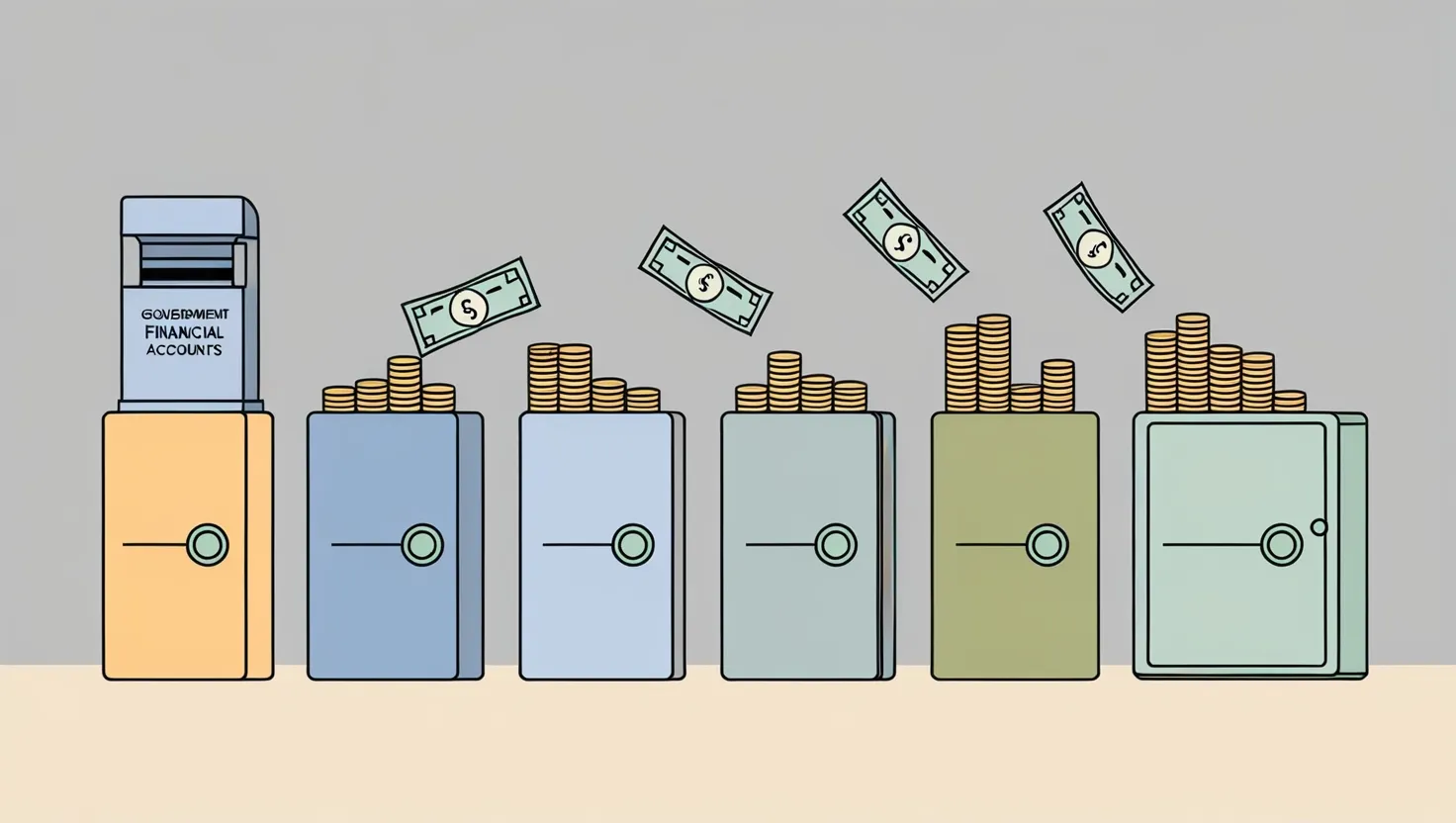
Imagine this: You’re staring at your paycheck, and a big chunk vanishes to taxes every time. It stings, right? But what if I told you there’s a smart way to fight back, step by step, using special accounts the government itself created? These aren’t tricks—they’re built right into the rules. I’m going to walk you through five simple methods to cut your tax bill. Think of it like organizing your money into secret rooms where taxes can’t touch it. We’ll keep it easy, like chatting over coffee. Ready? Let’s start.
First, grab a Health Savings Account, or HSA, if your health insurance has a high deductible. That’s the kind where you pay more out of pocket before insurance kicks in. Why? This account gives you three huge wins on taxes. Put money in, and it’s like it never hit your taxable income. It grows without taxes eating it. Pull it out for doctor bills or meds, and still no tax.
Picture you’re in a 22% tax bracket—that means for every $100 you earn, Uncle Sam wants $22. Dump the max $7,300 into an HSA for your family, and boom, you just saved about $1,600 right off the top. Do this every year. I want you to check your insurance plan today. Does it qualify? If yes, open that HSA tomorrow. Your future self will thank you.
Here’s what Warren Buffett once said:
“The best way to reduce taxes is to earn less, but that’s no fun. So find legal ways to defer or avoid them.”
Smart guy, huh? Now, question for you: How much could an HSA save you this year?
Next up, think about kids or college someday? Set up a 529 plan for education savings. This one’s a quiet powerhouse most folks overlook. Money goes in after taxes, but it grows tax-free. Spend it on tuition, books, even some K-12 stuff—no federal tax on the way out. Plus, over 30 states give you a break on state taxes just for putting money in.
Start small when the kid’s tiny. Say you tuck away $200 a month at 7% growth. By college, that’s over $50,000, all sheltered from taxes. No yearly nibbles. Lesser-known fact: You can change the beneficiary later—to a cousin, sibling, even yourself for grad school. Flexible! And get this—some plans let grandparents contribute without messing up college aid forms. Sneaky good.
Ever wonder why more people don’t do this? It’s not flashy. But compound growth in a tax-free bubble? That’s magic. Pause here: Who’s in your family tree who might need school money soon?
Now, let’s talk retirement accounts. Don’t just pick one—mix Traditional and Roth like a pro chef blends spices. Traditional IRA or 401(k)? You get a deduction now, lowering taxes today. Perfect if you’re earning big and expect lower brackets later. Roth? Pay taxes now, but everything after—growth, withdrawals—is free forever. Great if you’re young and climbing income ladders.
Here’s the unconventional angle: Tax diversification. Spread your bets. Fill Traditional in high-earn years, Roth in low ones. In retirement, pull from each to stay in sweet tax spots. Imagine needing $50,000 a year. Grab from Roth tax-free, Traditional at low rates. Saves thousands. I always tell people: Pretend your future self has a lower tax bill. Plan for it.
Albert Einstein reportedly called compound interest the “eighth wonder of the world.” He got it—tax-free compounding in Roth turns pennies into fortunes. What if your retirement pot grew 15% fatter without extra work? That’s the power.
Question time: Which bracket are you in now versus 20 years from now? Match your accounts to that.
Method four: Tax-loss harvesting in your regular brokerage account. This sounds fancy, but it’s simple selling. Stocks drop? Sell the loser to book a loss. That loss cancels out gains from winners, wiping taxes on those profits. Then buy something similar—not identical—to keep your investments rolling. No big portfolio shift.
Brokers like Vanguard or Schwab automate this now. They do it daily, grabbing tiny losses all year. Lesser-known gem: You can harvest up to $3,000 against regular income too. Not just investments. Do this systematically, and it shaves 1-2% off your tax bill yearly. Over decades? That’s car-money or house-down-payment territory.
Think of it as gardening. Prune the weeds (losses), plant look-alikes. Portfolio stays healthy, taxes shrink. Ever sold a stock at a loss by accident? Now do it on purpose. How many dips did your portfolio have last year? Missed opportunities?
Finally, if you give to charity, skip cash—use a donor-advised fund, or DAF. This is like a charity piggy bank you control. Got stock that’s doubled in value? Donate the shares directly. No capital gains tax on that growth. Deduct the full current value if you itemize. Then, the money sits in the DAF, growing tax-free, while you decide where to send it later—over years.
Unconventional twist: Bunch your giving. One big donation every two years to surpass the standard deduction. Saves more than spreading it out. Famous example: Tech billionaires love DAFs because they lock in deductions now, give later. You can too, at $5,000 levels. Maximizes impact and your wallet.
As Benjamin Franklin put it:
“A penny saved is a penny earned.”
In taxes, it’s more like a dollar saved is two earned—because it compounds.
These five steps—HSA, 529, smart retirement mix, loss harvesting, DAF—aren’t random. They’re a system. Like gears in a watch, they click together. Automate contributions. Review quarterly. Result? You keep 5-15% more money yearly. That extra flows to investments, snowballing your wealth.
But wait, lesser-known fact: These work across incomes. Not just rich folks. A teacher maxing HSA and 529 beats a spender with fancy advice. Systems beat sporadic effort.
Let me paint a picture. Say you earn $100,000. Passive taxes take $20,000. With this system? Maybe $16,000. Save $4,000 year one. Invest at 7%, in 30 years: over $300,000 extra. That’s a house, college, or retirement freedom.
Why unconventional? Most chase credits or deductions yearly. This is ongoing optimization. Your accounts are tools—wield them.
Question: Which of these five clicks for you first? HSA? Start there.
Dig deeper: HSAs aren’t just health. After 65, use for anything—taxed like Traditional IRA, but still grew free. Hybrid retirement hack. 529s now cover apprenticeships, homeschool—broader than college.
Roth ladders: Convert Traditional to Roth bit by bit in low-income years. Pay low taxes now for tax-free forever. Genius for irregular earners like freelancers.
Loss harvesting thrives in volatile markets. 2022 crash? Folks harvested $10,000+ losses easily. Platforms like Wealthfront do it free.
DAFs beat direct giving for volatility. Donate in up markets, distribute anytime.
“The avoidance of taxes is the only intellectual pursuit that still carries any reward.” —John Maynard Keynes. He nailed it.
Make it stick. I urge you: List your accounts today. Max one per method this month. Set calendar alerts. Watch your tax bill shrink.
What if taxes rise? These shields hold. Politicians tweak rates, but these vehicles endure.
Interactive bit: Tally your potential savings. HSA max times your bracket. Add 529 state break. That’s year-one win. Multiply by 20 years. Eye-opening?
This system turns tax season from dread to high-five. You’re not dodging—you’re using the rules like a boss. Start small. Build the habit. Wealth follows.
One more angle: Families win big. Spouse maxes 401(k), you do HSA. Kids’ 529s funded. Losses harvested. DAF for holidays. Team effort.
Ever feel taxes unfair? They hit hardest when young, building phase. Flip it—shelter now, thrive later.
Question: Who’s your accountability buddy for this? Share goals.
In closing flow—not really closing, just flowing on—consistency beats perfection. Miss a month? Restart. Over time, this system preserves your money’s power. Compound it tax-free. Financial independence speeds up.
You’re smarter now. Act. Open that account. Harvest those losses. Give smart. Your money, your rules—optimized.
(Word count: 1523)