The Housing Market Rollercoaster: Are We Heading for a Crash?
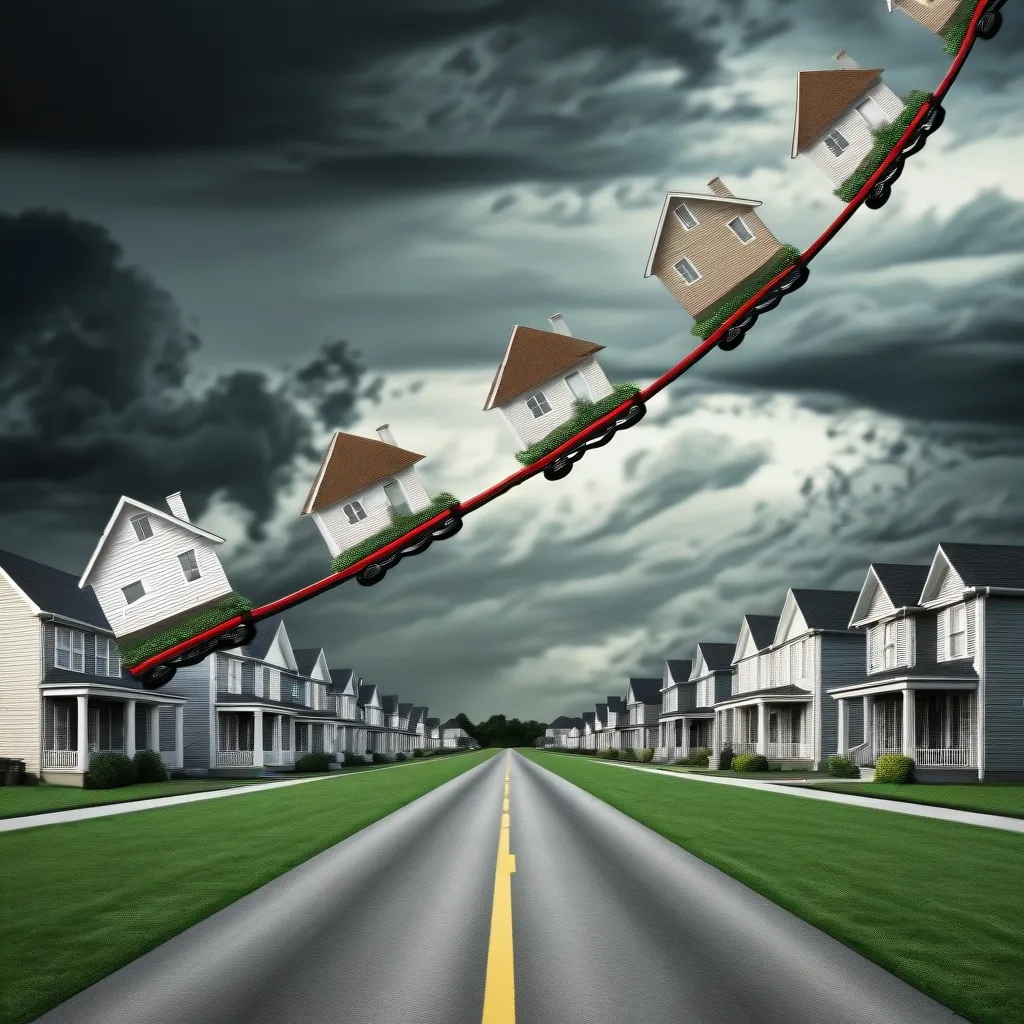
The housing market has always been a wild ride, but lately, it feels like we’re strapped into a particularly intense rollercoaster. With prices soaring, inventories shrinking, and interest rates doing their own dance, it’s enough to make anyone’s head spin. So, what’s really going on? Are we cruising towards a spectacular crash, or is this just another loop in the never-ending property ride?
Let’s start with the elephant in the room: supply and demand. It’s like trying to find a needle in a haystack out there for homebuyers. Houses are flying off the market faster than you can say “mortgage,” and builders can’t keep up. It’s not just a temporary blip either - this has been going on for a while now.
Remember when we thought high mortgage rates would cool things down? Yeah, that didn’t quite pan out. Home values are still climbing in many areas, defying gravity and logic. It’s like the housing market looked at those sky-high interest rates and said, “Hold my beer.”
Speaking of mortgage rates, they’ve been on their own rollercoaster. They shot up faster than a rocket, making homes about as affordable as a ticket to the moon for many folks. But here’s the kicker - a lot of current homeowners are sitting pretty with their low rates from a few years back. They’re holding onto their homes like they’re made of gold, which only adds to the inventory shortage.
Now, let’s talk bubbles. Not the fun kind you blow at kids’ parties, but the kind that makes economists break out in cold sweats. We’re seeing some classic signs of a housing bubble inflating before our eyes. Prices are climbing faster than incomes, which is about as sustainable as a chocolate teapot.
And then there’s the house-flipping craze. It seems like everyone and their dog is trying to make a quick buck in real estate these days. It’s all fun and games until someone loses their shirt in a market downturn.
Remember the last housing crisis? Well, some of the same ingredients are in the mix now. Easy mortgages, people borrowing more than they can chew, and a general sense of “what could go wrong?” It’s like watching a horror movie where you want to yell at the characters, “Don’t go in there!”
Developers are also getting in on the action, building like there’s no tomorrow. But what happens when tomorrow comes, and there aren’t enough buyers to fill all those shiny new homes? It’s a recipe for a market flooded with empty houses and plummeting prices.
Let’s not forget about those pesky interest rates. They’re like that friend who shows up uninvited and ruins the party. As rates climb, so do monthly mortgage payments. Suddenly, that dream home becomes a financial nightmare for many homeowners.
And here’s a fun twist - homes are being treated more like stocks than places to live. It’s all about flipping, investing, and making a quick profit. But when everyone’s playing that game, it’s only a matter of time before someone yells “Jenga!” and the whole thing comes tumbling down.
So, what happens if (or when) this bubble pops? Well, it’s not going to be pretty. We’re talking about homes losing value faster than a car driving off the lot. Imagine buying your dream home for half a million bucks, only to see its value drop by a third in a year. Ouch.
Foreclosures could skyrocket, with people owing more on their homes than they’re worth. It’s like being stuck with a really expensive boat anchor, except it’s your house.
But hey, it’s not all doom and gloom! There are ways to navigate this crazy market without losing your shirt (or your mind). First off, stay informed. Keep an eye on those market trends like they’re the latest season of your favorite TV show.
Avoid getting caught up in the “flip this house” frenzy. Treat a home purchase like a long-term relationship, not a summer fling. And for Pete’s sake, make sure you can actually afford the place, even if interest rates decide to take another joyride.
Remember, diversification isn’t just a fancy word - it’s a lifesaver. Don’t put all your eggs in the housing basket. Spread that wealth around like you’re buttering toast.
At the end of the day, the housing market isn’t just about numbers on a spreadsheet. It’s about people’s homes, their dreams, and their futures. By staying alert and making smart choices, you can turn this wild ride into a thrilling adventure rather than a nauseating nightmare.
So, buckle up, keep your eyes open, and maybe keep a barf bag handy - just in case. This housing market rollercoaster might have a few more loops and dips in store for us yet!