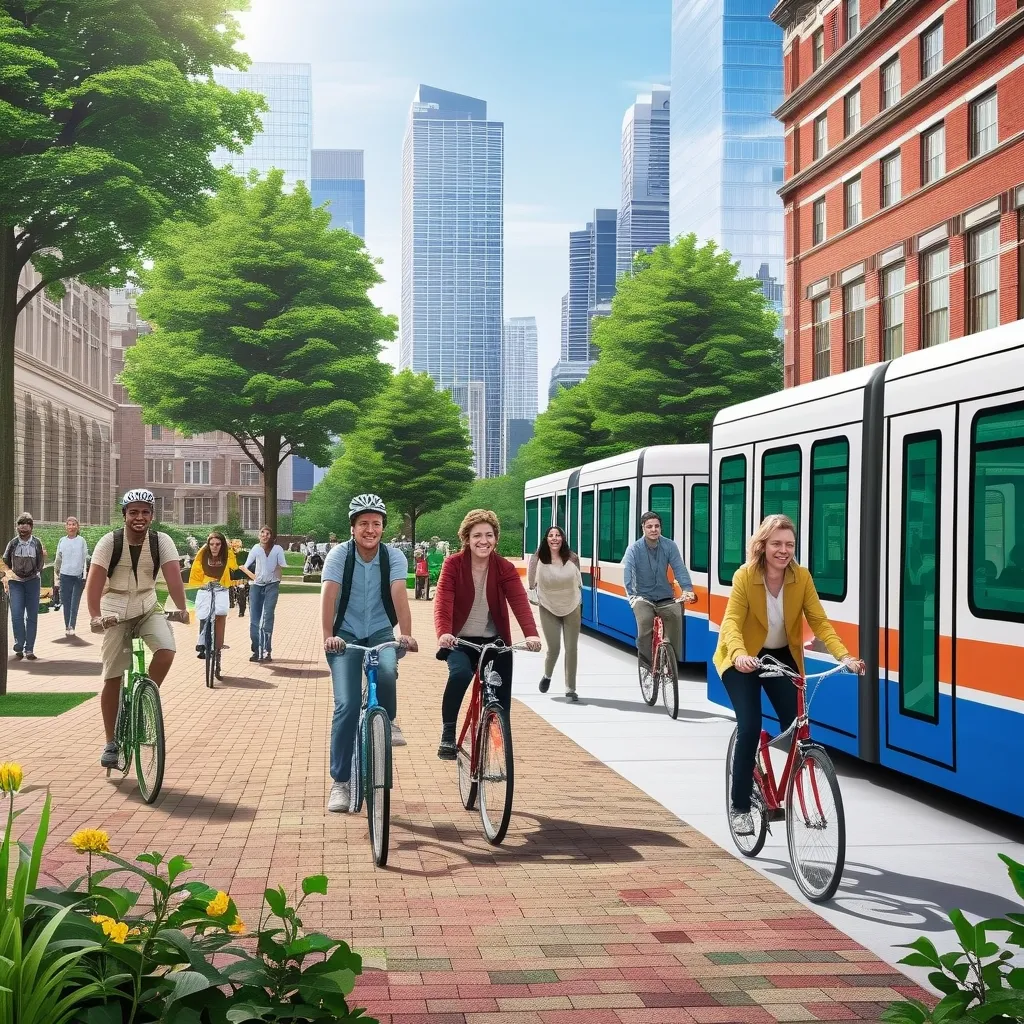
Living without a car isn’t such a wild idea anymore. It’s becoming a clear choice for many, especially those living in bustling cities. The roads are packed, and everyone’s talking about how we need to get serious about saving our planet. So, ditching the car for greener, often easier transportation modes doesn’t just make sense; it’s becoming the norm.
We’re talking about getting on buses, trains, or subways, hopping on a bike, going for a stroll, or using car-sharing and ride-sharing services. Each of these options comes with its own perks.
Let’s start with public transit systems – they are the backbone of living without a car in large urban centers. Buses, subways, and trains are efficient ways to zoom around the city. With fewer cars on the road, we get cleaner air and less traffic.
Then you’ve got biking and walking – the champions of eco-friendly travel. Cities all over are pouring resources into building bike lanes and creating pedestrian-friendly zones. Biking and walking? Zero emissions and a boon for your health. You get better cardio fitness, less stress, and a wonderful sense of freedom.
Public transportation is a lifeline in the city if you’re living car-free. It’s wallet-friendly too. So, do some research. Check out what transit options your city has, map out where you’re going most often, and pick a place to live that’s close to all the stuff you need – like stores and parks. It’s all about making life easier and cutting down on hassle.
Biking is another solid way to get around. It’s practical and keeps you fit. If biking works for you, get a nice, sturdy bike and all the safety gear that goes with it. You’ll probably want something with a cargo rack or basket – handy for errands. If you’re picking up groceries, baskets, or panniers are a godsend.
Now, car-sharing and ride-sharing have completely changed the game. Platforms like Zipcar, Car2Go, and Uber let you use a car when you need it without the headache of owning one. No need to worry about monthly payments, insurance, or maintenance. You get the flexibility of a car without the baggage.
Daily chores like grocery shopping or taking the pet to the vet can be a bit tricky without a car. But it’s manageable. You can pack your bike with bags and trailers or rely on public transit. Electrical utility bikes with racks and trailers can also haul a surprising amount of cargo. Perfect for those bigger shopping trips or heavier loads.
Living car-free can also save you a ton of money. Think about what you spend on a car: payments, insurance, gas, maintenance, parking – it adds up. A monthly bus pass? It’s a fraction of that. Plus, by carpooling or using public transit, you’re slashing your carbon footprint big time. With transportation being a major polluter globally, this small change can make a huge difference.
Of course, it’s not all smooth sailing. Living without a car means you’re working around transit schedules and sometimes dealing with unpleasant weather. But with a bit of planning and the right mindset, you can handle it.
Technology helps a lot, too. Apps like Google Maps, Citymapper, and Transit can help you navigate public transit like a pro. They give you real-time updates and the best routes, keeping you one step ahead of delays.
A supportive community can make a difference, too. Befriend people also using alternative transportation. Share tips, routes, and safety advice – it can make your car-free life a lot easier. Might even find someone who’s willing to give you a ride when you’re in a pinch.
Living without a car isn’t just about how you get around; it’s a whole lifestyle shift. It makes you think more about how you move and encourages healthier, more sustainable choices. If you value a green lifestyle and saving money, it might be right up your alley.
The transition needs a bit of thought. Plan your moves ahead of time, learn your city’s transit routes, consider how close you’ll be to key things like grocery stores and parks, and invest in a good bike if biking is on the table. Stay flexible. Mix different types of transport depending on what you need each day and the weather.
With time, living car-free in cities is set to become less of a trend and more of a standard way of life. The movement towards sustainable, healthier, and economically smart transportation is picking up momentum, promising a greener, more lively urban future.