Starting a community garden is like planting seeds of not only food but also of friendships and a stronger sense of community. It’s a project that can bring people together, making them feel part of something bigger, no matter where they come from.
First things first, you’ve got to find the perfect spot. This could be an empty lot in your neighborhood, a piece of land from the local government, or even a rooftop if you’re in the city. Think about the sun, the water supply, and how easy it is to get there. Sometimes you might need to chat with local authorities or community groups to land the spot.
Once you’ve got a location in mind, the next step is to drum up community interest. Spread the word around. Use social media, local newspapers, or even just good old-fashioned word of mouth. Make sure you have a clear idea of what you want your garden to be. Will it be just for growing food, or will it also have flowers and community event spaces? Some gardens even donate their produce to local shelters, which is an awesome way to give back.
With a spot and some community buzz, it’s time to plan. Layout how the garden will be arranged. Think about the number and size of plots, paths, and any shared areas like tool sheds or compost spots. There are tools available that can help you visualize and organize everything.
Starting a garden can cost a bit upfront. You’ll need tools, seeds, and maybe some land prep. Decide whether you want to charge a little membership fee or look for grants and crowdfunding to help out. Many organizations love to fund community projects, especially school gardens, so it’s worth a shot.
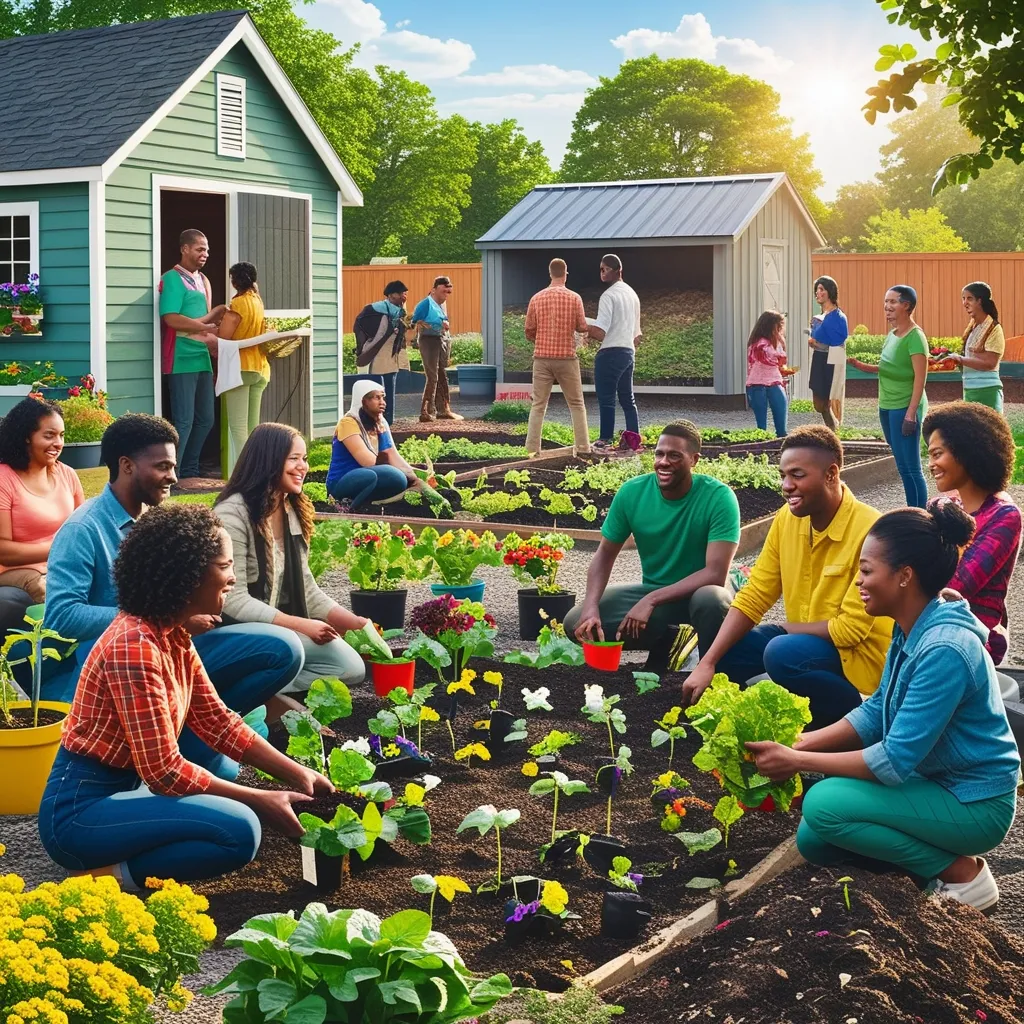
Now comes the fun part—building the garden. Get your community peeps involved. Organize workdays where everyone can pitch in. Tasks like clearing the land, setting up beds, and installing irrigation can bring everyone together. It’s a perfect opportunity to start building those garden friendships.
As you plant and grow, so do relationships. Community gardens are buzzing hubs where people from all walks of life come together. Newbies learn from old pros, stories get shared, and laughter is a common byproduct. It’s a safe and welcoming space for everyone, including immigrants and refugees, making them feel right at home.
On the social side, community gardens are incredible. They help neighbors get to know each other, reduce stress, and even boost civic participation. They can spur neighborhood improvements and bridge generational gaps. Young and old work side by side, sharing wisdom and excitement. What starts as a group of strangers can quickly become a tight-knit community that supports each other.
Health benefits? Oh, plenty. Gardening is gentle but really good exercise. It reduces stress, gets you bending and digging, and planting. Plus, having fresh, organic veggies right there does wonders for your overall well-being. Environmentally, gardens help by reducing carbon footprints through local food production and bring in beneficial critters like bees and butterflies.
Of course, it’s not all sunshine and rainbows. Challenges will pop up. Limited space, especially in cities, and funding can be tough. But there are innovative solutions like rooftop gardens and shared spaces. Climate issues can be tackled with composting and rainwater harvesting, keeping your garden productive all year round.
If starting your garden seems too much, there are still ways to get involved. Look up local gardens via social media, gardening associations, or your city’s website. Many offer workshops and are always looking for volunteers. Whether you have gardening skills or any other talents like social media savvy or photography, there’s a spot for you.
Community gardens do so much more than grow vegetables. They cultivate connections in a world where real-life interaction is becoming rare. Whether you’re experienced or just starting, these gardens offer a welcoming space to grow food, friendships, and a sense of belonging.
Starting a community garden goes beyond planting; it’s about building a thriving community. It’s an amazing way to bring people together, foster friendships, and create a vision of a healthier, more sustainable future. So, roll up those sleeves, grab a shovel, and start your community garden today. It might just change your neighborhood, and your life, for the better.