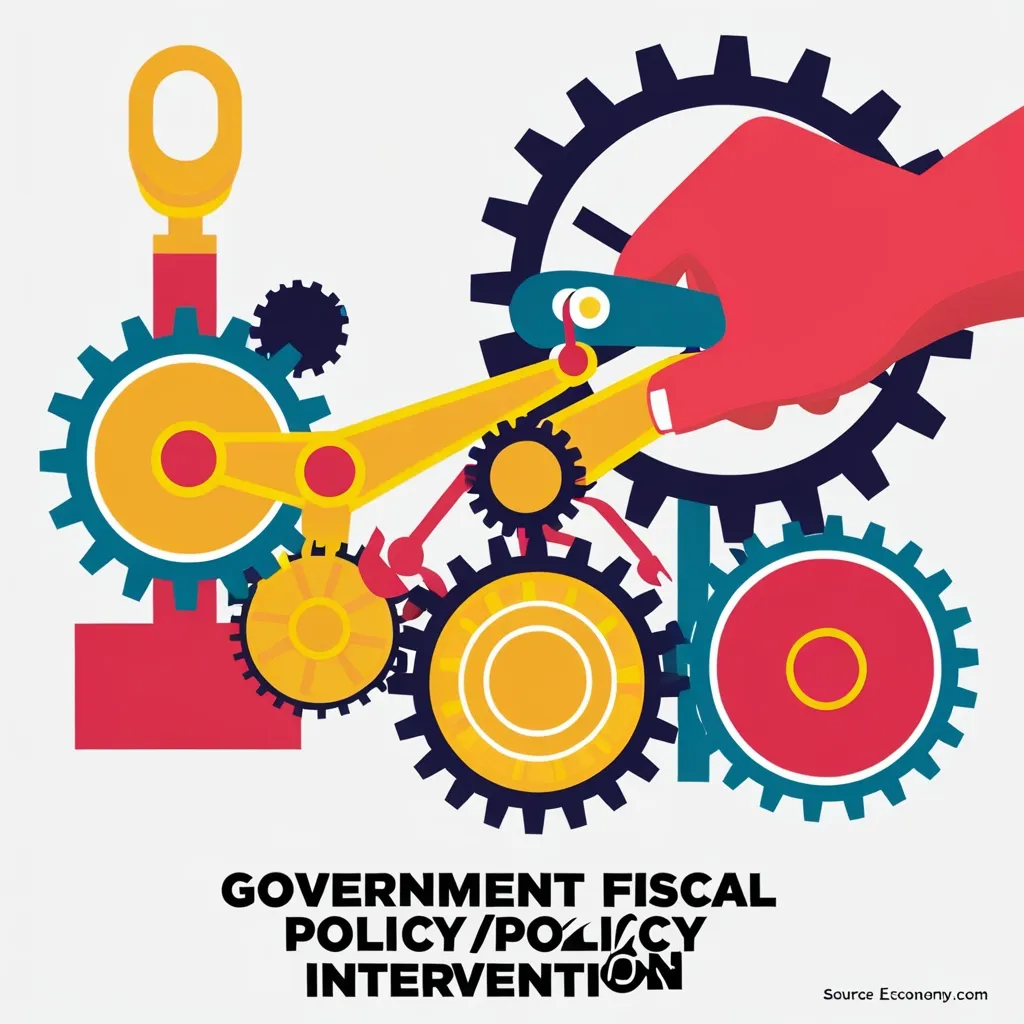
Fiscal policy is a powerful tool in the government’s arsenal when it comes to battling economic downturns. It’s like a financial Swiss Army knife, capable of adjusting spending, taxes, and borrowing to keep the economy on track. But what does this mean for you and me?
Let’s take a trip down memory lane. Remember the Great Recession of 2007-2009? Governments worldwide flexed their fiscal muscles to combat the economic slump. The U.S. rolled out massive stimulus packages, dishing out tax rebates and pumping money into businesses. Across the pond, the UK followed suit with its own set of tax cuts and spending sprees. It was like governments were throwing financial lifelines to keep their economies afloat.
Fast forward to the COVID-19 pandemic, and we saw fiscal policy in action again. This time, it was a whole new ballgame. With lockdowns forcing businesses to shut their doors, governments had to get creative. Enter the CARES Act in the U.S., a whopping $1.7 trillion package that included those stimulus checks we all eagerly awaited. It was like getting a surprise bonus from Uncle Sam, right?
But how does all this economic mumbo-jumbo actually work? Well, it’s all about the GDP equation: GDP = C + I + G + NX. Don’t worry, I’m not going to bore you with economics 101. The gist is that when the government increases its spending (that’s the G), it can directly boost the economy. It’s like adding fuel to a sputtering engine.
One of the coolest things about fiscal policy is something called automatic stabilizers. These are like the economy’s built-in shock absorbers. When times get tough, tax revenues naturally drop (because people are earning less), and spending on things like unemployment benefits goes up. It’s the government’s way of saying, “We’ve got your back,” without having to pass new laws every time.
Now, before you think fiscal policy is all sunshine and rainbows, let’s talk about the elephant in the room: national debt. Remember those massive stimulus packages? They don’t come cheap. Many countries saw their debt skyrocket after the Great Recession. It’s like using a credit card to pay your bills - it helps in the short term, but you’ve got to pay it back eventually.
This balancing act is why governments can’t just throw money at every problem. They need to think long-term too. It’s not just about quick fixes; it’s about setting up the economy for future success. This might mean investing in infrastructure, reforming healthcare, or adapting to demographic changes. It’s like planting trees for future generations to enjoy the shade.
So, how does all this affect you personally? Well, during a recession, fiscal policy could be the difference between keeping your job and joining the unemployment line. Those expanded unemployment benefits? They could be your financial lifeline if you lose your job. And those stimulus checks? They might help you pay your bills or even save for a rainy day.
But it’s not just about individual benefits. When the government invests in infrastructure or public services, it creates jobs and improves our communities. It’s like a rising tide that lifts all boats.
Looking ahead, it’s clear that fiscal policy will continue to play a crucial role in managing economic downturns. The key is learning from past experiences and implementing policies that work both now and in the future. It’s about finding that sweet spot between short-term relief and long-term sustainability.
In the grand scheme of things, fiscal policy is like a complex dance between the government and the economy. It requires careful choreography to keep everything moving smoothly. And while we can’t predict when the next economic hiccup will occur, we can be sure that fiscal policy will be front and center in the response.
So, the next time you hear about government spending or tax cuts on the news, remember - it’s not just dry economic talk. It’s about real policies that can have a real impact on your life and the lives of those around you. It’s about keeping the economic engine running smoothly, even when the road gets bumpy.
And here’s a little food for thought: while governments play a big role in managing the economy, we all have a part to play too. By understanding these policies and their impacts, we can make more informed decisions about our own finances and even how we vote. It’s like being a savvy player in the grand economic game.
In the end, fiscal policy is more than just a tool for economists and policymakers. It’s a reflection of how we, as a society, choose to respond to economic challenges. It’s about balancing the needs of today with the possibilities of tomorrow. And in that balancing act, we find the potential for a more resilient and prosperous future for all of us.
So, the next time you hear about fiscal policy, don’t tune out. Lean in. Because in those decisions and actions, you might just find the key to understanding the economic forces shaping your world. And who knows? You might even spot an opportunity or two along the way.
Remember, economics isn’t just for the experts. It’s for everyone who buys groceries, pays bills, or dreams of a better future. And fiscal policy? It’s one of the ways we try to make those dreams a reality, one economic decision at a time.