Eating healthy isn’t always easy, especially if you’re busy or don’t have much cooking experience. So why do kitchens make keeping a good diet feel complicated? Today, I want to show you ways your kitchen can quietly guide you into better habits, using technology and simple design. Let’s look at five clever innovations that make healthy eating so much easier—even for someone who finds kitchen gadgets confusing. You might be surprised by how much your kitchen can do for you, almost like a silent coach.
“Let food be thy medicine and medicine be thy food.” – Hippocrates
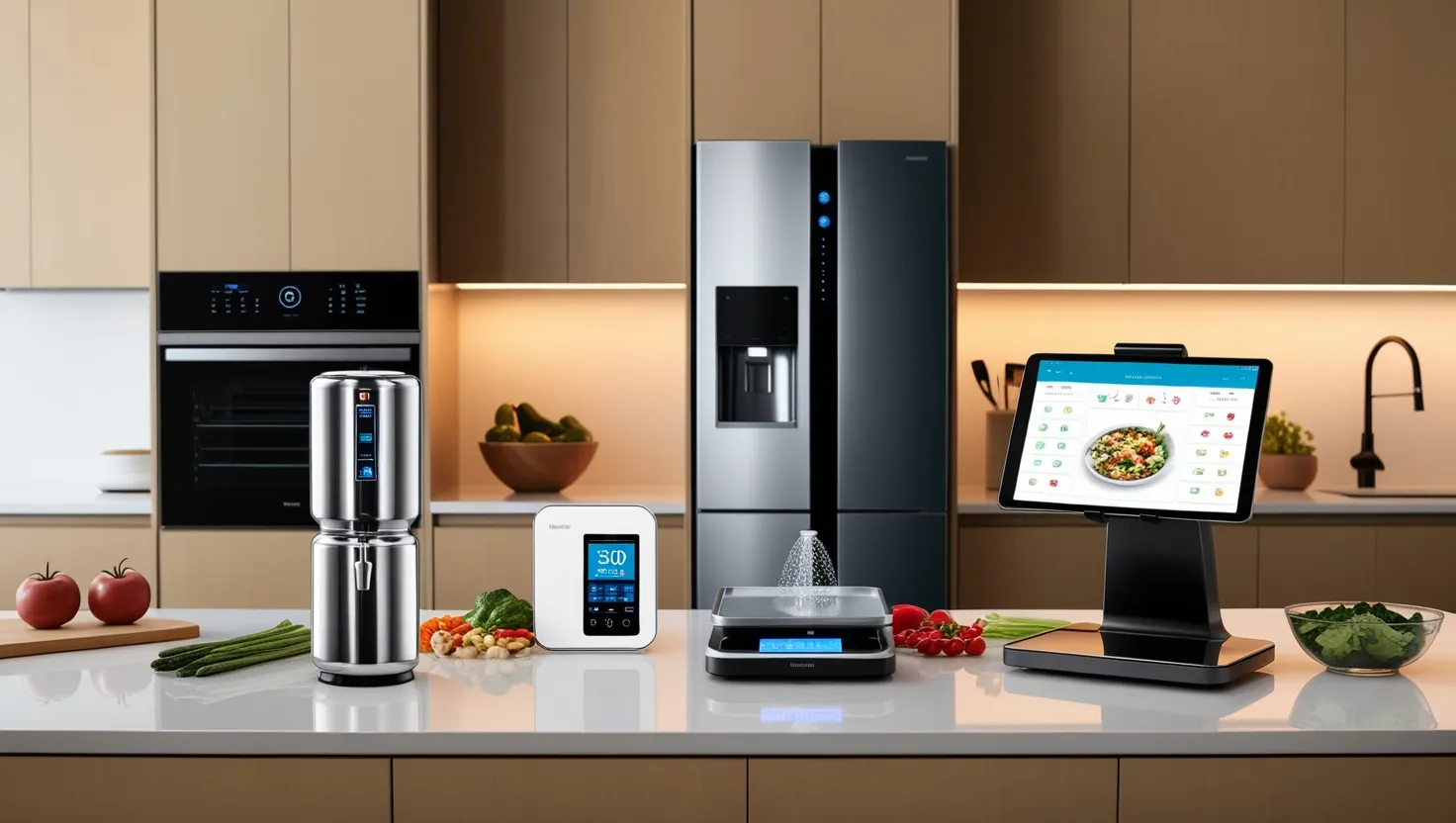
Imagine opening your refrigerator and getting gentle reminders for food about to expire. Smart fridges do this, quietly tracking each item and sending encouraging recipe suggestions using ingredients you have right now. It’s more than just keeping things fresh—these fridges learn your style, making shopping lists for balanced meals and nudging you toward using that spinach before it wilts. As you use it, the fridge notices your preferences, so you get recipe ideas that respect what you want to eat. Have you ever wondered how much food you throw away each week? With expiration reminders and suggestions, waste naturally goes down.
If you’re someone who relies on guesswork when cooking meat or vegetables, precision tools help a lot. Devices like sous vide cookers and smart ovens hold temperatures steady, protecting delicate nutrients. This means your broccoli keeps its vitamins and your chicken comes out tender, but not dry. Using these, you avoid burning, overcooking, or letting unhealthy compounds form. Some smart ovens even scan your food, then suggest the best way to cook it for your health. Wouldn’t it feel nice to know each meal is cooked just right, with zero effort?
“Cooking is at once child’s play and adult joy. And cooking done with care is an act of love.” – Craig Claiborne
One of the quietest helpers in nutrition is a smart portion control device. These aren’t just fancy scales—they come with visual guidance, like subtle lights or gentle vibrations to tell you if you’re picking too much or too little food. Over time, your sense of “enough” gets recalibrated. You start to find that the right serving size feels natural, even when you’re distracted or hungry. This isn’t about strict dieting; it’s about changing the environment so healthier choices are automatic. Have you ever noticed how easy it is to overfill a plate? Now, your kitchen will gently tap you on the shoulder.
Staying hydrated isn’t as simple as remembering to drink water; physical needs change all day. New hydration dispensers connect to fitness trackers and health monitors. When you finish a workout, they know, and will dispense the best water—sometimes with electrolytes, sometimes at the perfect temperature—right when you need it. Some can even add flavor or nutrients based on your body’s data. If you often forget to drink, a little light flashes, nudging you just enough. Have you ever thought about how hydration affects mood and energy? These dispensers quietly take care of it for you.
“Water is life’s matter and matrix, mother and medium. There is no life without water.” – Albert Szent-Györgyi
Meal planning is often where healthy eating efforts fall apart. We forget what’s in the fridge. We buy ingredients we don’t need. A smart meal planning assistant works like your own nutritionist. It considers your calendar, tells you how much energy you’ll need, and builds weekly shopping lists organized by each store section. Plus, it helps you prep meals in the right order, so nothing gets left out. When you’re pressed for time or just can’t think about what to eat, these systems handle the entire process. They nudge you toward simple, healthy options without extra effort. Have you ever struggled with planning healthy meals each week? Imagine a helper quietly arranging everything for you.
“By failing to prepare, you are preparing to fail.” – Benjamin Franklin
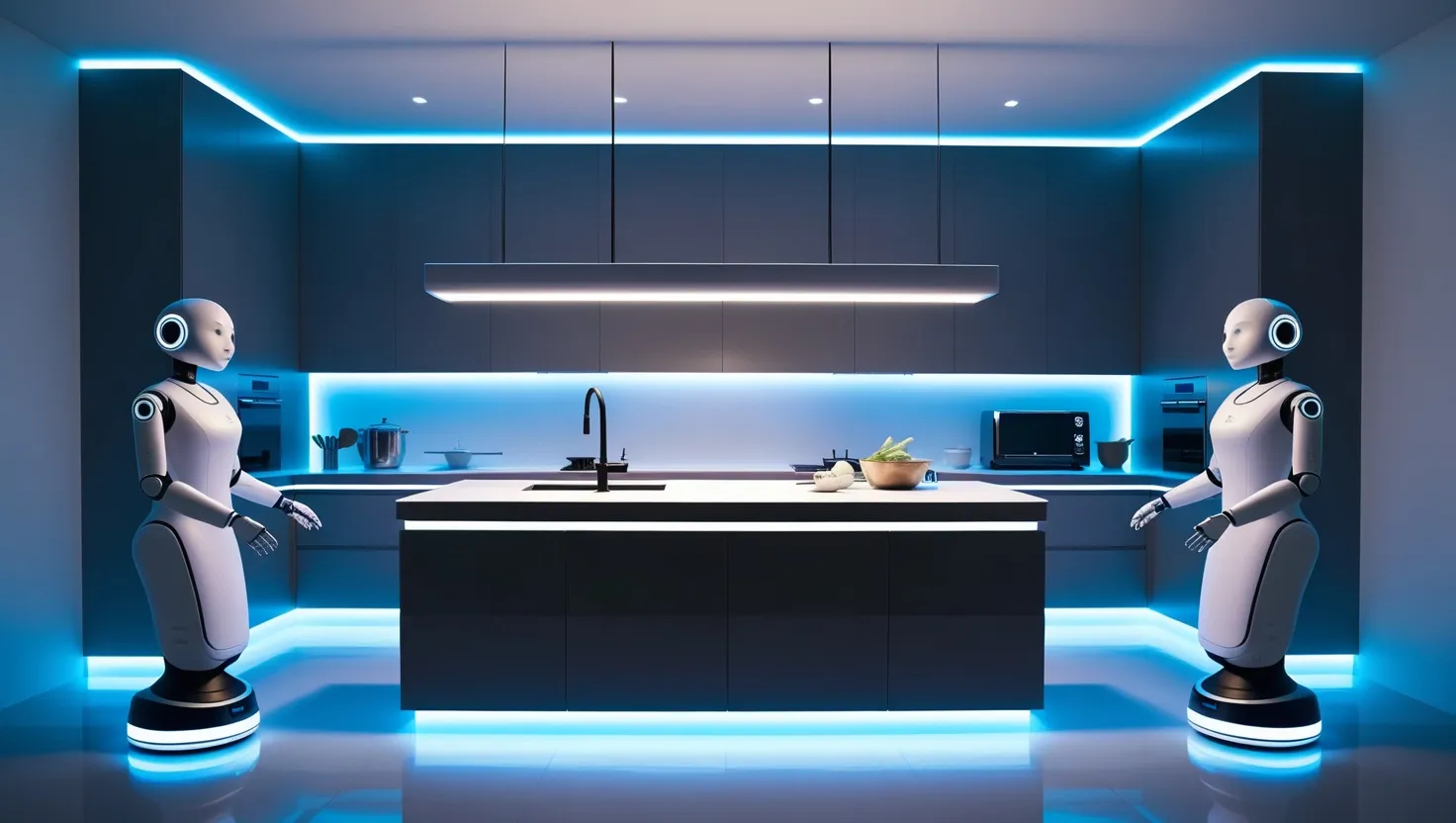
What’s especially interesting about these five innovations isn’t just the tech—they work together to create a supportive kitchen environment. The fridge prevents waste and inspires better use of ingredients. The oven and sous vide take the guesswork out of nutrition. The scales gently retrain your idea of a proper serving. The hydration system keeps your body in balance without you micromanaging it. And the planning assistant ties it all together, smoothing out every bump in the road.
Isn’t it strange how a kitchen can go from being a source of stress to a quiet partner in your health? The secret is removing those tiny barriers between you and better choices. When the effort disappears, the habits get easier. You don’t have to learn complicated recipes or count calories with every meal. You’re gently steered by your kitchen, almost like having an extra mind working in the background.
Famous chef Julia Child once said, “You don’t have to cook fancy or complicated masterpieces—just good food from fresh ingredients.” These smart kitchen tools don’t demand complex skills or lots of time. They quietly guide you so that healthy eating feels automatic, not forced.
If you’ve ever felt overwhelmed by nutritional advice, gadget manuals, or endless health rules, this is your signal that you can lean on your kitchen a little more. Set up these tools, and let them take over some of the thinking. You might find it easier to meet your health goals, waste less food, and bring real joy to your meals. The next time you walk into your kitchen, ask yourself: How can my kitchen help me choose what’s best, with almost no effort? Because sometimes, when things become easy, we finally do what’s healthiest.
As these innovations keep improving, our kitchens will become smarter at helping us care for ourselves. Less confusion. Less stress. More quiet, simple wellness—served up every day, without fuss or frustration.