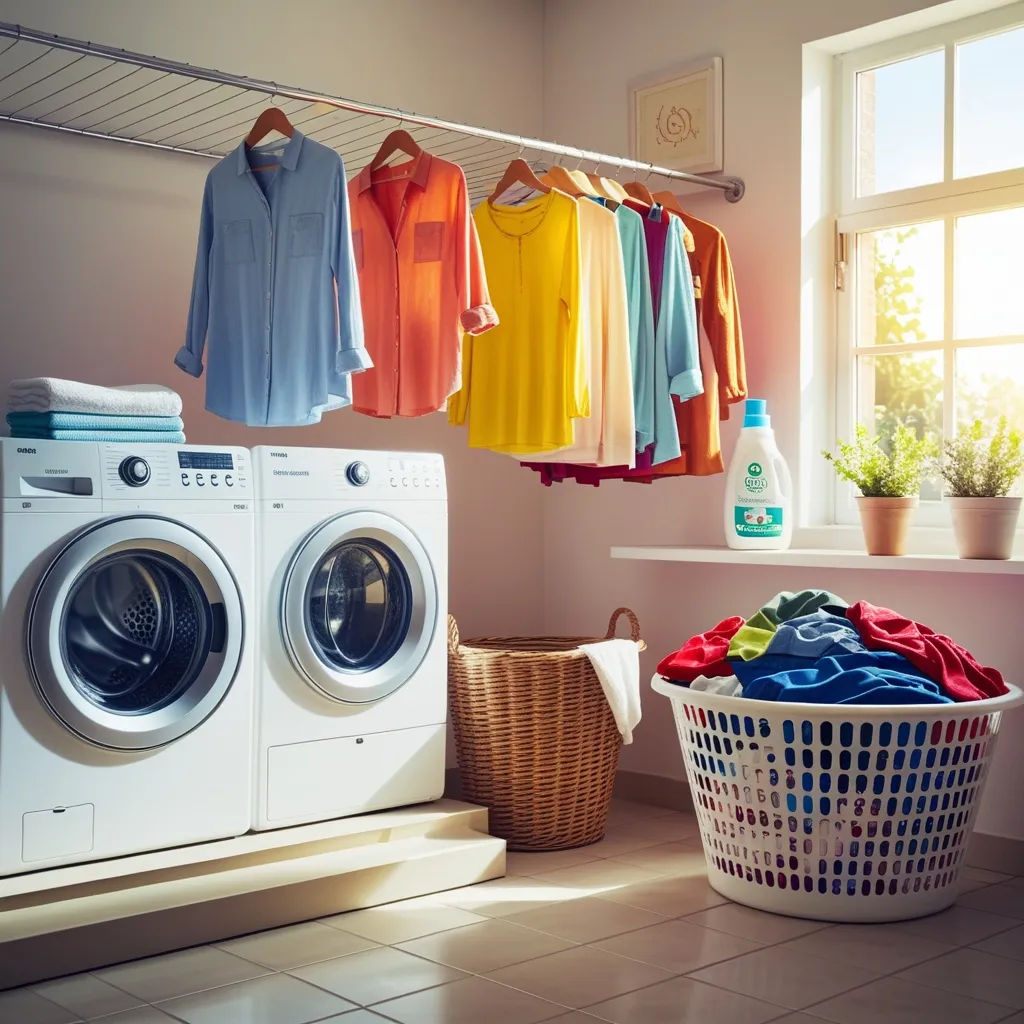
Laundry might seem like a mundane task, but it doesn’t need to be a drain on your wallet or on Mother Earth. With just a few eco-friendly habits, you can save money, cut down on water and energy use, and extend the lifespan of your clothes. It’s like turning every laundry day into a win-win situation.
First things first, let’s chat about the impact laundry has on the environment. It’s surprising how much water and energy are involved in keeping clothes clean. For the typical American household, think around 300 loads of laundry each year. That’s roughly 12,000 gallons of water and a hefty contribution to your carbon footprint.
There’s a super simple way to cut down the energy use: switch to cold water. Seriously, heating water for those warm and hot cycles sucks up massive amounts of energy—like, 90% of the energy used by your washing machine kind of massive. Rolling with cold water could slash your energy bill by about $150 annually. Modern detergents are created to work just fine in cold temperatures, so no worries there. Also, cold water is easier on your clothes, keeping them vibrant and in good shape for a much longer time.
Another great tip is investing in a high-efficiency (HE) washing machine. These bad boys use way less water than the older models. We’re talking up to 66% less water according to the American Cleaning Institute. HE washers are purpose-built to use low-sudsing detergents, which ensures every drop of water is used efficiently.
Now let’s talk drying. Your dryer is an energy hog—it accounts for about 75% of your laundry routine’s total carbon footprint. Ditching it for a clothesline or drying rack could make a huge eco-difference. Plus, air-drying prevents that wear and tear on your clothes, so they last longer.
Speaking of washing, here’s a pro tip: always wash full loads. It’s as straightforward as it sounds and can save a ton of water and energy. Modern machines, especially front loaders and HE models, are designed to handle hefty loads effectively.
Reevaluating how often you wash your clothes can make a dramatic impact too. Instead of tossing clothes in after every single wear, let them air out and spot-treat any stains. Trust us, your wardrobe will thank you.
Also, clean up the products you use. Many conventional detergents and softeners are loaded with harmful chemicals that aren’t just bad for your health; they wreak havoc on the environment. Swapping them out for eco-friendly versions, free from phosphates, fragrances, and other nasties, is a game-changer. Even better, you can DIY it with simple ingredients like white vinegar and essential oils for a killer, planet-friendly fabric softener.
Buying smarter goes a long way too. When shopping for laundry products, look for labels that say SLS/SLES free, neutral pH, and plant-based. Resources like the U.S. EPA’s “Safer Choice” or the Environmental Working Group’s “Guide to Healthy Cleaning” can help you find safer alternatives.
Let’s clear up some myths. People often think washing full loads doesn’t get clothes as clean or that cold water isn’t as effective as hot. Reality check: modern washing machines are designed to clean just fine with full loads and cold water.
The benefits of going green with your laundry aren’t just environmental. You get the added perks of saving money on utility bills and keeping your clothes in better shape for longer. Plus, avoiding harmful chemicals is a win for your health. Energy-efficient machines and dryers can actually save you hundreds of dollars over their lifetime, making them a smart investment.
To recap, here are some everyday practical tips:
- Switch to cold water for washing.
- Air-dry your clothes whenever you can.
- Always wash full loads.
- Use eco-friendly detergents and products.
- Avoid washing your clothes more than necessary.
By sliding these eco-friendly tweaks into your laundry routine, you’ll significantly cut down on water and energy use, save some cash, and help your clothes last longer. Not too shabby for a chore most people don’t think twice about. Achieving a sustainable lifestyle doesn’t have to be riddled with massive changes; sometimes it’s the simple steps that actually make the biggest difference.