Living in a world where bigger seems to be synonymous with better, the idea of downsizing can feel like swimming against the current. But let me tell you, opting for a smaller living space can seriously level up your life in ways you might not have even considered. Downsizing isn’t just about clearing out the junk and saving some cash; it’s about living smarter, cutting down the stress, and finding freedom and simplicity in everyday life.
Imagine having fewer rooms to tidy up, less furniture to dust off, and trimming down those hefty utility bills. Sounds dreamy, right? That’s the beauty of smaller living spaces. Forget the never-ending to-do list of mowing the lawn, shoveling snow, or fixing up this and that. With fewer chores, you’re left with more free time and a bit fatter wallet. Smaller homes naturally nudge you toward a minimalist lifestyle, which can feel unbelievably liberating.
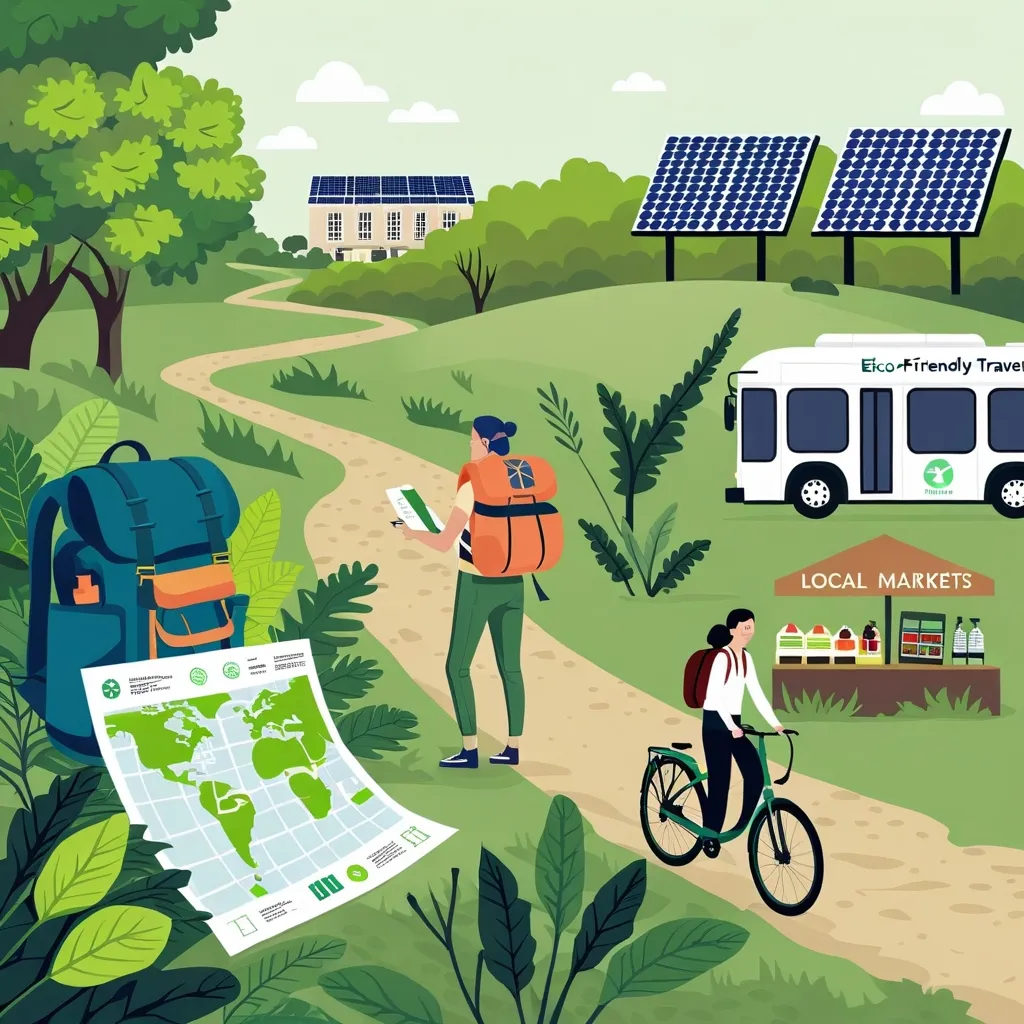
And guess what? Downsizing is also a love letter to Mother Earth. Big houses gobble up more electricity, water, and materials, leaving a massive carbon footprint. By choosing a smaller space, you’re not just lightening your load; you’re giving the planet a bit of a break. Less space means fewer resources needed for construction and upkeep, which means less waste and fewer appliances. When you shift towards a minimalist lifestyle, you’re not just preserving resources but also keeping our planet a wee bit cleaner and healthier.
Now, I get it, the idea of downsizing can feel a bit like standing at the edge of a cliff. Especially if you’re trading a sprawling family home for a cozy apartment. The trick is to start small—like, literally. Tackle the smallest or the least used room first. This helps ease you into the groove of decluttering without overwhelming you. Once you see progress in one corner of your home, that momentum will push you to tackle the whole place.
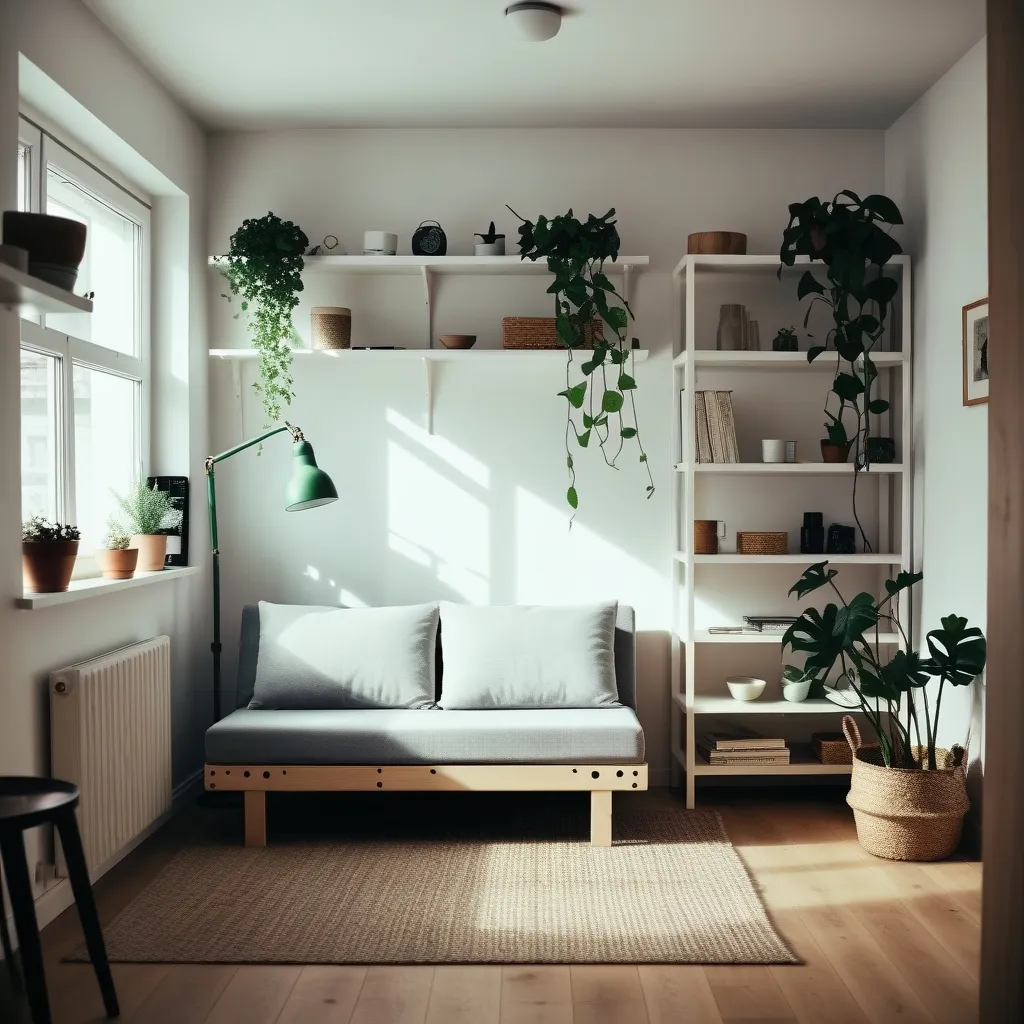
Focus on multipurpose items to make the transition smoother. Why have separate mixing bowls, serving bowls, and storage containers when Pyrex clear glass bowls can do it all? In the living room, think about a loveseat that transforms into a guest bed or a Murphy bed that doubles up as a desk. These multi-functional pieces not only save space but cut down on clutter, making your life easier.
Decluttering is a huge part of downsizing. It’s about figuring out what you really need and letting the rest go. Sort your belongings into “keep,” “give away,” and “toss” piles. Get the family involved—it can be a bonding experience, and it’s heartwarming to pass cherished items on to people who will appreciate them. Donating your extras to good causes also gives a sense of fulfillment, knowing your stuff is making someone else’s life better.
Of course, parting with items that hold sentimental value is tough. Those childhood trinkets or treasured gifts are hard to let go of. But holding onto everything isn’t practical. Keep a few precious items and maybe snap photos of the rest to create a digital memory book. This way, you can hold onto the memories without drowning in physical clutter.
Once you’re settled into your downsized space, creative storage solutions become your best friend. Think outside the box—use vertical storage, shelves, and hidden compartments to keep things tidy. Add shelves over your washer/dryer or use floating ledge shelves for wall art. These inventive storage hacks keep your space organized and clutter-free.
The financial benefits of living in a smaller home are undeniable. You’ll notice lower utility bills, smaller mortgage payments, and reduced real estate taxes. Even if some costs, like water bills, might creep up a bit depending on your new living situation, the overall savings can be substantial. This financial freedom opens up possibilities—whether it’s padding your savings for the future or splurging on the present.
Clutter and sprawling spaces can be stress-inducing. The more you have, the more you have to manage and worry about. Downsizing simplifies life, reducing the number of things you need to deal with. This calm, organized environment can significantly reduce stress, improving your overall well-being.
Downsizing forces you to prioritize quality over quantity. It’s about cherishing experiences over possessions. Living in a smaller space nudges you to spend more time outdoors, pick up hobbies, and connect with people. This shift in mindset leads to a richer, more fulfilling life where you’re savoring quality experiences over accumulating stuff.
Embracing a smaller living space is about more than practicality; it’s about adopting a simpler way of life. It’s about finding joy in the essentials and letting go of the unnecessary. Downsizing isn’t just moving into a smaller house—it’s about embracing a lifestyle that values simplicity, efficiency, and freedom. This journey can be incredibly rewarding, leading to a life filled with purpose and joy.
In wrapping up, downsizing is more than just a practical move; it’s a lifestyle shift that brings a myriad of benefits. From cutting down on stress and saving money to living more sustainably and finding joy in the simple things, the perks of smaller spaces are clear. So, take the plunge and see how downsizing can revolutionize your life for the better.